


Kevlin Henney is a independent consultant, trainer, technologist, writer and renowned keynote speaker known for his work helping organisations, teams and individuals with their software development practices, processes and architectures. He is co-author of two volumes in the Pattern-Oriented Software Architecture series, editor of 97 Things Every Programmer Should Know, co-editor of 97 Things Every Java Programmer Should Know, and contributor to many other publications online and in print.

Kevlin Henney is a independent consultant, trainer, technologist, writer and renowned keynote speaker known for his work helping organisations, teams and individuals with their software development practices, processes and architectures. He is co-author of two volumes in the Pattern-Oriented Software Architecture series, editor of 97 Things Every Programmer Should Know, co-editor of 97 Things Every Java Programmer Should Know, and contributor to many other publications online and in print.

Kinga
Bazior
Restoring Agency & Authentic Leadership | Mentor & Trainer | Human Relations over Resources
I transform Human Resources into true Human Relations, cutting through corporate jargon to focus on psychological safety, autonomy, and neurodiversity. With over 9 years of experience in the STEAM industry, I work as a mentor and trainer to help leaders and teams build cultures where people matter more than spreadsheets.
What I bring to the table:
Restoring Agency: I help individuals and teams break through deadlocks and regain their sense of impact.
Psychological Safety & Neuroinclusion: I advocate for working in harmony with our brains, showing how to leverage neurodiversity instead of wasting energy on masking.
Actionable Mentoring & Training: I don’t follow rigid templates. As a trainer, I use creative workshops to move even the most stagnant topics, connecting dots where others see chaos.
I believe there are no results without trust. I help you grow “your way”—at your pace and in your style—replacing hollow wellbeing slogans with a living culture of appreciation and effective communication.
In the age of AI, being the “all-knowing leader” is becoming a form of technical debt – it slows things down and stifles the very talent you hired to innovate. When fresh ideas are met with a “no, because that’s why,” a team of creators quickly turns into a group of order-takers. In this session, we’ll talk about how to trade the expert mask for the role of a “curiosity navigator.” You’ll learn how to ask the kind of questions that unlock true agency and replace corporate stagnation with authentic human relations. Let’s look at how letting go of the need to be right can help you build a team that’s actually ready for the future.

Marcin Aks
Grochowina
Agile Coach & Architekt współpracy
Od blisko 20 lat wspieram zespoły i liderów w projektowaniu skutecznych sposobów pracy. Jako praktyk zwinności, facylitator i trener specjalizuję się w porządkowaniu ról i odpowiedzialności, budowaniu jasnej komunikacji oraz przejrzystych zasad działania. Prowadzę warsztaty, szkolenia i mentoring dla zespołów oraz liderów, koncentrując się na tym, co zwiększa sprawczość i przewidywalność. Swoimi doświadczeniami dzielę się na konferencjach, w podcastach i w autorskich materiałach edukacyjnych. Stworzyłem model Collaboration Debt, za pomocą którego ułatwiam rozmowę o złożoności współpracy. Prywatnie: chodzę w czapkach, kolekcjonuję płyty winylowe, nadużywam słowa “uszanowanko”.
Żyjemy w czasach wszechobecnej presji na kompresję. Oczekujemy, że rzeczywistość – podobnie jak plik MP3 czy JPEG – będzie lekka, szybka i dostępna natychmiast. Mogłoby się wydawać, że zwinność, ze swoją obietnicą adaptacji będzie w takich okolicznościach idealną odpowiedzią.
Jednak w zderzeniu z kulturą, w której nie ma cierpliwości do złożoności a wyników oczekuje się “na wczoraj”, radykalna transparentność okazała się zbyt ryzykowna. Zamiast upraszczać pracę, zaczęliśmy wprowadzać mechanizmy obronne. Zamieniliśmy “dowożenie wartości” na “dowożenie statusów”.
Kultura kompresji nie zniknie. Jest już stanem domyślnym. Czas przestać narzekać na otaczające nas absurdy i wrócić do serca zwinności. W swojej prelekcji pokażę, jak odzyskać przestrzeń do zadawania niewygodnych pytań zamiast dostarczania wygodnych odpowiedzi. To nie naprawi magicznie systemu. Ale odda ci sprawczość.
Event language: polish
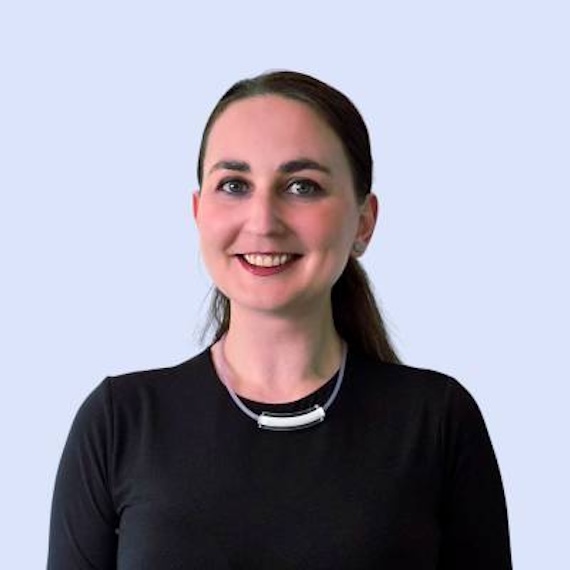
Alena
Hlekava
Alena Hlekava works at the intersection of Agile, Organizational design, and Leadership. She helps organizations move fast without losing clarity, alignment, or sustainability. Having supported multi-team environments of up to 50 teams in fast-scaling SaaS companies, she brings hands-on experience in building effective operating models, improving delivery systems, and strengthening decision-making across product and engineering.
Too many changes, too little impact?
In fast-moving orgs, change often feels like noise: endless initiatives, half-baked rollouts, and burned-out teams tired of “new shiny improvements”. In this talk, Alena Hlekava and Olga Kachalova will introduce a practical Change Management Framework designed for organizations – lightweight, participatory, and laser-focused on impact. They’ve developed, piloted and successfully launched it in TaxDome SaaS company, got tons of lessons learned and are happy to share!
You will walk away with a clear, repeatable structure to propose, pilot, and scale meaningful changes – without chaos or fatigue.

Iwo
Hryniewicz
I’ve worn many hats over 10 years in IT—product management, engineering management, Scrum Master (PSM3, PSPO3). Solving complex problems together is what excites me. I’m a self-proclaimed technohumanist: technology is powerful, but it’s the humans wielding it who make the magic—or the mess. I’m passionate about sharing knowledge through mentoring and running workshops. Not the “let me tell you what I know” kind, but the “what are you wrestling with right now?” kind. I design learning experiences that are activity-first, brain-based, and story-driven—helping people discover insights through practice rather than lectures. I’m fascinated by how teams navigate uncertainty, build better systems around their work, and discover what actually matters versus what just keeps them busy.
One grey February afternoon, I watched half my team walk into an office and never come back. Four people. Gone. As the Scrum Master, I stood frozen, asking myself a question I wasn’t ready to answer. In the weeks that followed, I discovered something uncomfortable: we had been performing effectiveness rather than being effective. We had all possible charts, polished Sprint Reviews, and stakeholders who nodded approvingly. We had all the metrics that said we were doing fine. But we didn’t have the one number that actually mattered—and when I finally found it, I couldn’t look away. This talk is not about doing more with Agile. It’s not another framework, another practice, another thing to add to your already overflowing backlog. It’s a story about subtraction. About what happens when a crisis forces you to strip away everything that isn’t essential—the zombie processes, the comfortable abstractions, the metrics that make us feel busy while the business decides whether to keep us alive. About a question so simple it replaced a hundred backlog items. If you’ve ever suspected that your team’s “momentum” might be a story you’re telling yourselves, this talk is your mirror.
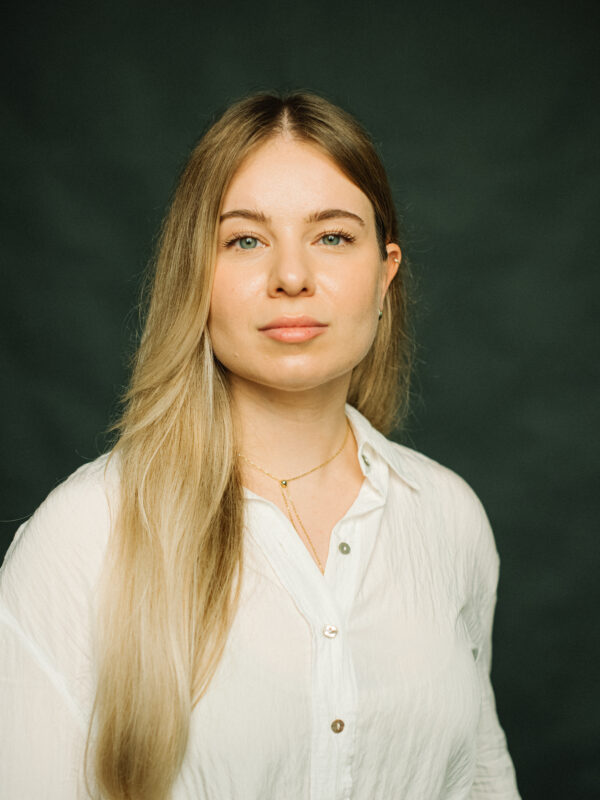
Olga
Kachalova
Olga Kachalova is an Agile Coach with over 10 years of experience, working across different organizational contexts, from fast-growing product startups to operationally complex companies. She supports teams and leaders in multi-team setups and scaling environments of 40+ teams. Olga believes in a systemic approach to change and in the importance of organizational setups shaped by a company’s real context and needs, helping organizations move toward their goals.
Too many changes, too little impact?
In fast-moving orgs, change often feels like noise: endless initiatives, half-baked rollouts, and burned-out teams tired of “new shiny improvements”. In this talk, Alena Hlekava and Olga Kachalova will introduce a practical Change Management Framework designed for organizations – lightweight, participatory, and laser-focused on impact. They’ve developed, piloted and successfully launched it in TaxDome SaaS company, got tons of lessons learned and are happy to share!
You will walk away with a clear, repeatable structure to propose, pilot, and scale meaningful changes – without chaos or fatigue.
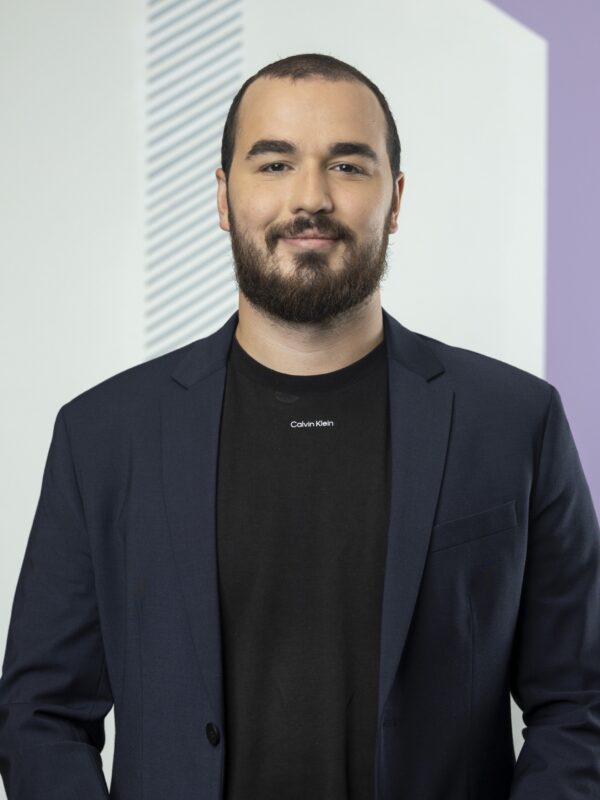
Konstantine
Kevlishvili
I’m an Agile Coach, Trainer, and Speaker from Georgia. He currently works at TBC Bank, where he contributes to large-scale enterprise initiatives focused on product and organizational agility.
Beyond his primary role, Konstantine is the co-founder of AgileXchange Georgia – the country’s largest Agile conference – and co-founder of Scrum User Group Tbilisi. He regularly delivers talks and workshops internationally and teaches Agile and Product Management at the university level.
What if your team stopped half of its meetings for six weeks?
NEO is a lightweight, time-boxed experiment for Agile teams that feel slowed down by coordination, process friction, and meeting overload. Instead of adding more practices, NEO simplifies how teams work: async-first updates, protected focus time, demo-centric alignment, and lean tooling.
NEO does not introduce new frameworks. Instead, it reframes ways of working as testable hypotheses. If the experiment improves learning speed, clarity of outcomes, and team focus, teams can adapt what works. If not, they revert.
This talk shares the principles behind NEO, the conditions under which it is effective, and the lessons learned from treating the process itself as something we are allowed to inspect and adapt.
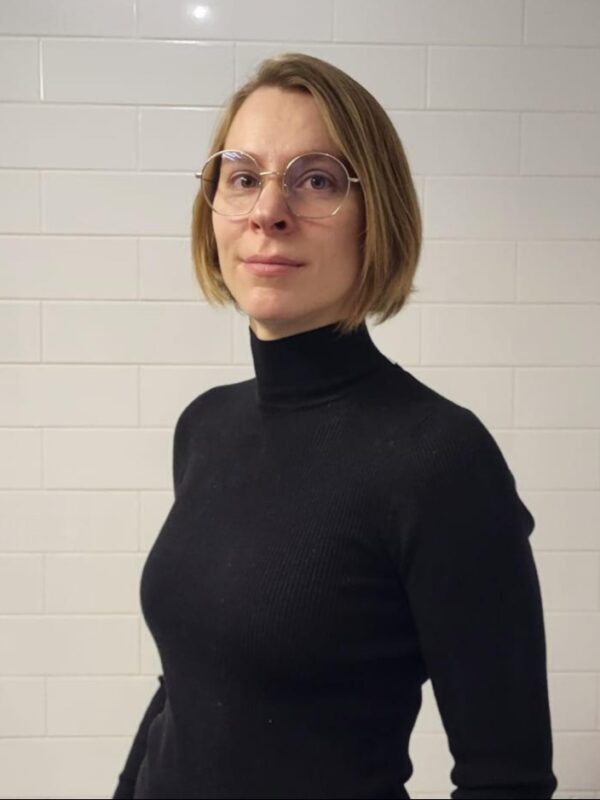
Amanda
Maruszczak
Amanda is a People and Release Manager at Motorola Solutions, where she has spent the last eight years transforming team dynamics and delivery processes. A firm believer in the Phil Jackson mantra that “the strength of each member is the team,” she specializes in moving organizations away from “remote-control” mindsets toward full accountability and autonomy. Amanda passionately advocates for bravery in the workplace, challenging professionals to stop hiding behind the status quo and take ownership of their work culture through persistent experimentation. When she isn’t steering high-pressure releases or coaching her teams to step outside their comfort zones, she is likely exploring something new—whether it’s a foreign country, a unique cuisine, or a fresh hobby—driven by a lifelong love for learning.
As a leader, you’ve heard the impossible list: focus on what’s vital, BUT also hit every business commitment, slash tech debt, maintain quality, reduce costs, and—while you’re at it—pioneer the next big innovation. When everything is a priority, nothing is.
Through the lens of a real-world leadership journey, I’ll show you why one clear goal is more powerful than ten distractions, and how you can reclaim your team’s focus to deliver what actually matters.
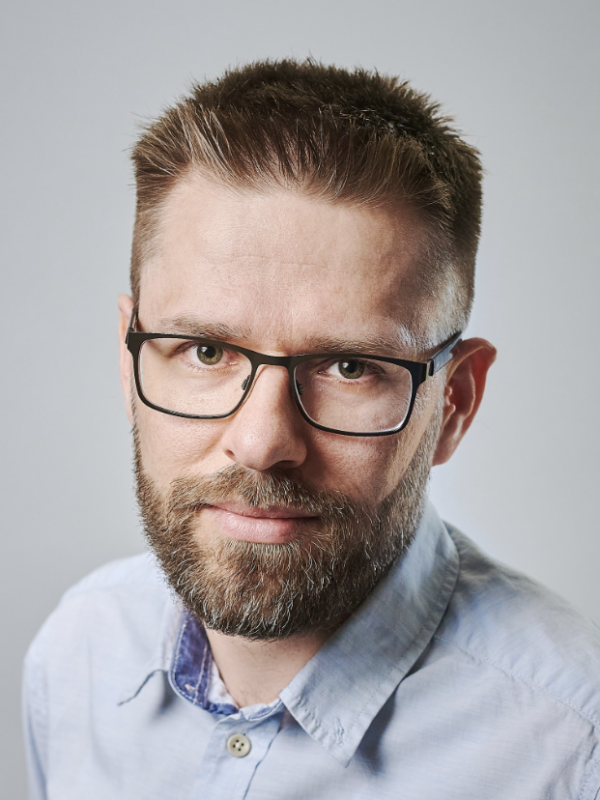
Adam
Myszak
Agile Coach at Vasco and Trainer/Consultant at Bottega IT Minds.
He helps teams and organizations break through constraints that slow down flow, waste potential, and block true agility. By combining Kanban practices with the Theory of Constraints, he demonstrates that without conscious management of bottlenecks, real adaptability and effectiveness are impossible. Adam supports companies in building ways of working that are genuinely agile — grounded in continuous learning, transparency, and focus on what truly matters.
Complexity in product development is often addressed by adding more processes, tools, or frameworks. In this talk, I challenge this approach by showing how missing key competencies can be the real source of chaos, delays, and constant symptom-fixing.
Based on a real case from consumer electronics product development, involving nearly 100 people across multiple teams, I will demonstrate how the absence of professional project management and in-house product design created systemic issues: poor communication, slow feedback loops, and increasing Time to Market.
Using Agile retrospectives combined with Theory of Constraints root cause analysis (Current Reality Tree), we identified the true constraint in the system and redesigned it at the structural level. Instead of increasing complexity, this led to simpler decision-making, faster feedback, and a 20% reduction in Time to Market, while doubling delivery throughput.
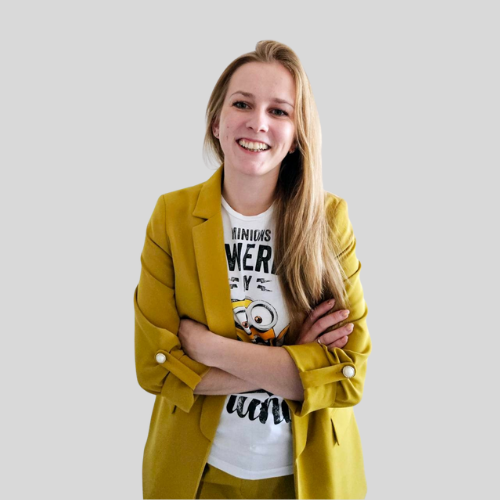
Ilona
Pietrzak
Brain scientists are saying it loud and clear: we literally sit ourselves to death – at home, at work, and even in our Agile meetings. But it doesn’t have to be this way! In this talk, I’ll show how even a bit of movement can wake up our brains, boost focus, spark creativity, and help teams feel more connected. We’ll look at what research says about movement as “fuel” for the brain – why it makes learning easier, problem-solving faster, and team spirit stronger. You’ll get practical ideas for adding movement to your meetings and daily work, so your team can learn, think, and collaborate better (and have more fun doing it). All tips are simple, science-backed, and ready to use – no gym membership required!
Ilona Pietrzak is a neuroscience enthusiast, certified neurodidactics specialist, and passionate Agile practitioner working as a Scrum Master. She supports trainers and Scrum Masters in designing interactive, brain-friendly workshops and meetings that genuinely engage participants. With a background in medicine and a fascination with how the brain learns and adapts, Ilona translates neuroscience insights into practical strategies for learning and collaboration.
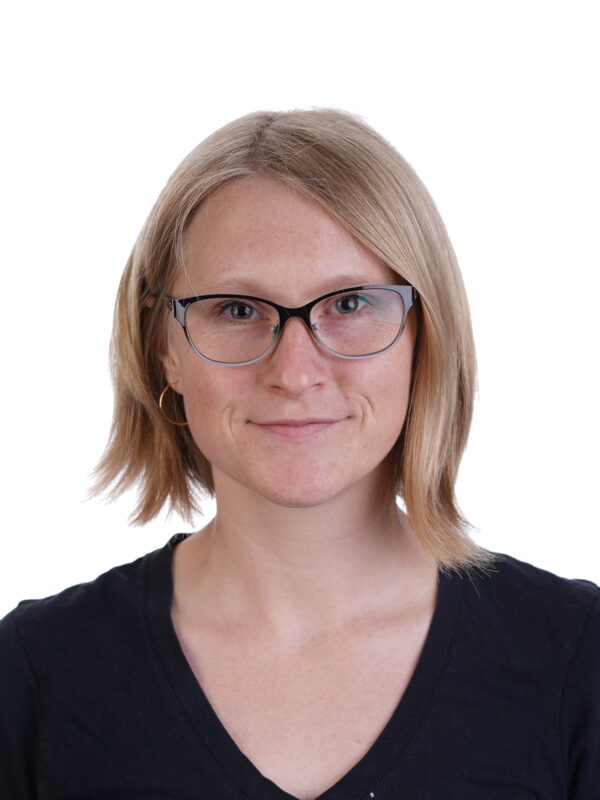
Yevheniia
Trefilova
I started my career as a Test Engineer, but after around 5 years changed my path to become a Product Owner. Currently, I have a combined Product Owner and Product Manager role. I like trying new things, so I used to attend theater courses for 2 years (including taking part in 2 plays), and currently I’m doing Coaching studies.
I’d like to share simple lessons I learned in theater and in coaching that can improve one’s meetings. We tend to forget that to achieve this, we do not need complicated processes; we sometimes simply lack presence, no more, no less.
Kinga
Bazior
Marcin Aks
Grochowina
Alena
Hlekava
Iwo
Hryniewicz
Olga
Kachalova
Konstantine
Kevlishvili
Amanda
Maruszczak
Adam
Myszak
Ilona
Pietrzak
Yevheniia
Trefilova
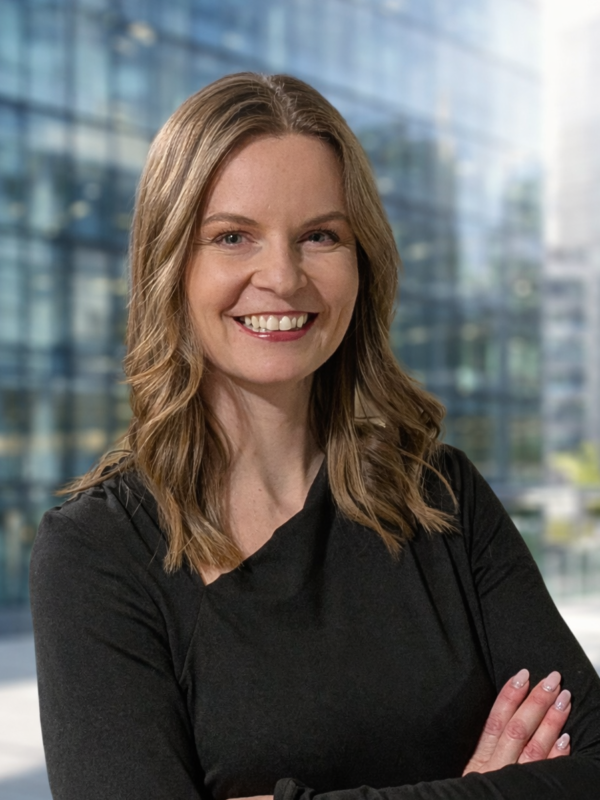
Urszula
Bakalarska
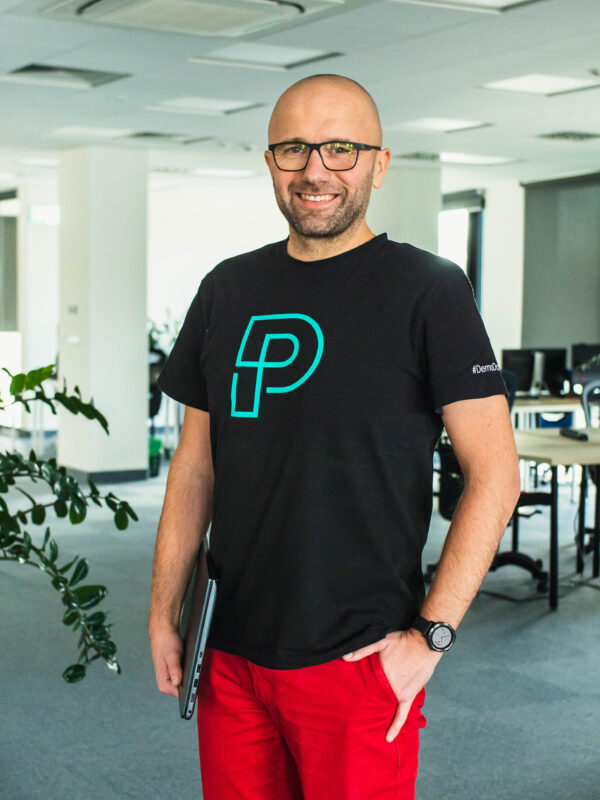
Scrum Masterka z pasji i powołania. Lubi zmiany, eksperymentowanie i uczenie się, a ciągłe
doskonalenie traktuje jako naturalny element pracy. Ceni pracę z zespołami i te momenty,
w których wspólnie wypracowują lepsze metody działania, zmniejszają opory i usuwają
przeszkody. Szacunek dla wartości jest dla niej fundamentem długofalowego sukcesu
zespołów i organizacji.
Event language: polish
Jakub
Dobosz
Bio
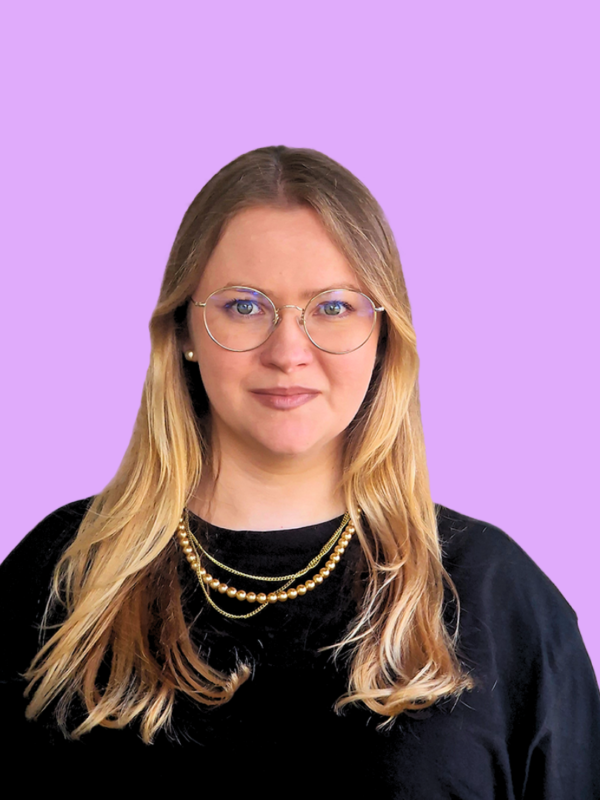
I practice NVC (Nonviolent Communication) and enhancing mindfulness. I value the synergy provided by a team, transparency, and effective communication. I focus on business value and finding ways to deliver it optimally. I believe that by continuously deepening our understanding of our own needs and motivations, we can create exceptional solutions. One of my goals is to build environments where everyone feels a sense of ownership and has the opportunity to influence its shape.
For over 12 years, during my adventure at eLeader Group, I have progressed from being a team member to managing a department of over 100 people responsible for building and implementing mobile banking solutions. Since 2020, I have been working at Pragmatic Coders, initially as a Product Owner and now as a Service Delivery Manager.
Katarzyna
Jakubowska
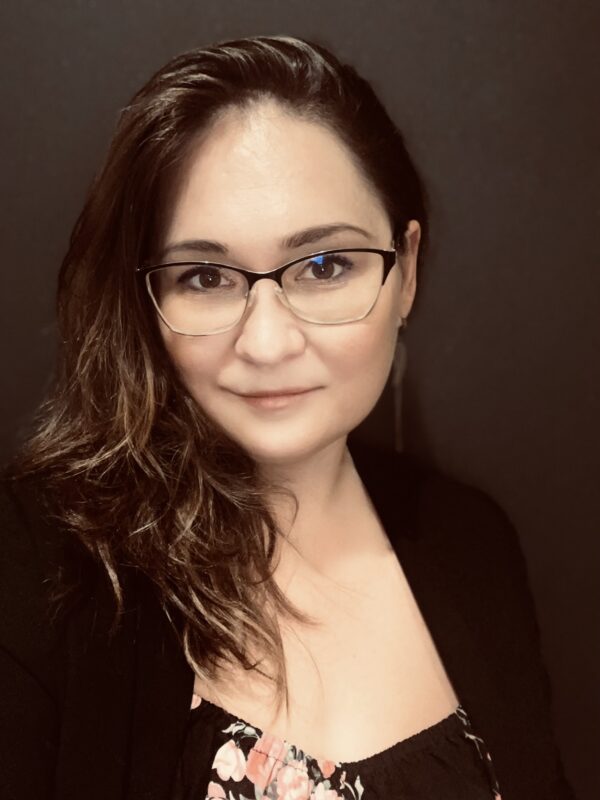
Scrum Master, a podcaster (“Zawody”), certified DISC trainer and facilitator with over six years of experience in tech industry, former HR and humanitarian worker. I specializes in building cohesive, high-performing teams by combining Agile practices with behavioral insights and intercultural awareness. With a background in Indology and professional experience in India, Turkey, UK and Germany, I bring a unique perspective on how culture, communication styles and personality differences influence collaboration.
It’s not what you say, it’s how it’s received – personality types at work
Ever said something with total clarity only to realize it was understood completely differently?
This facilitated group discussion explores one of the most common (and costly) challenges in agile environments: communication disconnect. Using the DISC framework as a practical lens, we’ll exchange experiences, reflect on real-life situations, and examine how different behavioral styles influence the way we communicate, make decisions, handle conflict, and collaborate.
Rather than a lecture, this is a space for shared learning through guided conversation and peer insights. Because agile isn’t just about frameworks and workflows —it’s about how people understand each other.
What participants will gain:
Greater awareness of different communication styles
Practical ideas for adapting messages so they resonate
New perspectives on reducing friction and building trust
A mindset shift from focusing on intent to focusing on impact
Anna
Jassak
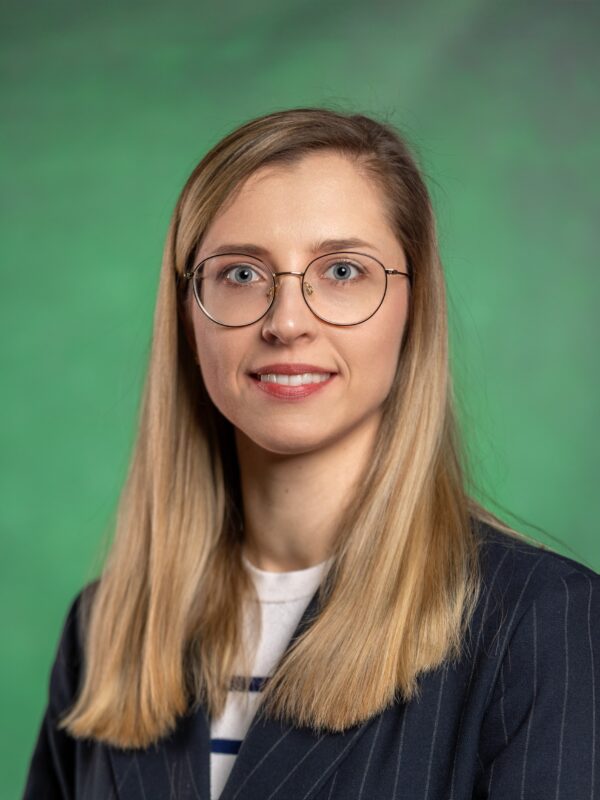
Mentorka, Product Owner, Project Manager, Scrum Master.
Działam wszędzie tam gdzie potrzeba zmiany, zorganizowania procesów, zespołów, ich
wsparcia i motywacji. Wspieram również w lepszym poznaniu swoich możliwości, docenieniu
talentów, wierze w siebie i w drodze do realizacji celów. Towarzyszę w budowania wartości i
odpowiedzialności. Niezwykle naturalnie przychodzi mi łączenie ludzi, potrzeb i możliwych
rozwiązań. Aktywnie działam społecznie. Wspieram szczególnie kobiety w powrocie na
rynek pracy, rodziców dzieci z niepełnosprawnościami oraz w chorobie onkologicznej.
Inspirują mnie ludzie pełni idei, ambicji i działań, ich potencjał i ich sukcesy. Ciągłe
doskonalenie jak i pomoc we wzmacnianiu innych poprzez mentoring to moja pasja.
Event language: polish

Ewa
Koprowska
Ewa Koprowska is an experienced agile leader with over 25 years in the technology industry, having supported organizations such as PZU, ING, Shell, and Bupa. She has held diverse roles, including actuarial developer, analyst, project manager, Scrum Master, Product Owner and Global Agile Coaching Services Manager, giving her a broad perspective on product development, governance, and scaling agility.
Currently, Ewa is a Continuous Improvement Manager at SmartRecruiters – The Recruiting AI Company, where she helps teams and leaders navigate complexity and drive meaningful change. She is passionate about balancing governance with agility and is actively translating into Polish Govern Agility book by Ponton and Gadzinski to bring its principles to a wider audience.
Ewa is a strong advocate for clarity, transparency, and continuous improvement. She actively contributes to the agile community by sharing her knowledge and experience through lectures, workshops, and mentoring.
At SmartRecruiters, we have been experimenting for the past two years with regrouping within structural boundaries as a deliberate operating mechanism.This session is based on our experiences with regrouping and explores how and when reorganize people around work intentionally, without collapsing into chaos or eroding accountability.
Regrouping will happen. The real question is whether it happens reactively or by design; as disruption, or as a conscious element of organizational architecture.
Teams form, dissolve, merge, split, and evolve in response to learning, architecture, and strategy. Yet dynamic reteaming carries real costs: increased cognitive load, social reset, temporary productivity dips, weakened domain memory, and identity disruption. Stability is not free, but neither is fluidity.
In the first 15 minutes, I will:
Clarify terminology (regrouping vs. reteaming vs. reorganization),
Share patterns and lessons learned from our two-year experience,
Surface trade-offs we encountered between adaptability and system coherence.
The remaining 30 minutes will follow a structured Lean Coffee format. Participants will propose and vote on discussion topics, enabling us to explore practical tensions experienced in our organizations.
The intent of this session is not to advocate for constant fluidity nor rigid stability. Instead, we aim to elevate regrouping from an ad hoc managerial reaction to an explicit organization design decision. It will be a structured exploration among practitioners navigating the trade-offs between stability and adaptability in real systems. If your organization is wrestling with these tensions, this conversation is for you.
Karolina
Kordyś
Karolina Kordyś is a passionate Agile Coach with almost ten years of experience in fostering team growth
and driving organizational transformation. She thrives in challenging work environments and is dedicated
to working with people. As a servant leader, she excels in helping teams grow and improve while
supporting entire organizations in their Agile transformations. She strongly believes that processes exist
for people, not the other way around. She has supported numerous organizations on their Agile
transformation journeys, ensuring sustainable and impactful changes.
Back to Simplicity – Solving complex problems on foot
We live in the world full of noise.
AI everywhere. Endless tools. Constant choices.
Meetings without creativity. Frameworks about innovation.
We are expected to be unique and creative – all the time. Yet many of us feels overwhelmed.
Messy heads. Messy backlogs. Messy organizations.
This workshop is an invitation to pause…………
No one has their best ideas after eight hours at the desk with JIRA, Excel or another tool. Insight actually shows up somewhere else – in the garden, while running … or simply walking.
Inspired by StreetWisdom, the guided walking practice, we step away from screens and routines and let the street become our thinking partner.
Bring a real question. Wear comfortable shoes. We’ll walk, observe and reflect using simple techniques that help you cut through the noise, reset your thinking, and return with a clear insight – maybe even a surprisingly simple solution to a complex problem.
No slides. No frameworks. No tools.
Just you, the street and space to slow down and think.
Come walk with us. Rediscover how simplicity fuels creativity.
*workshop will be held in Polish & English
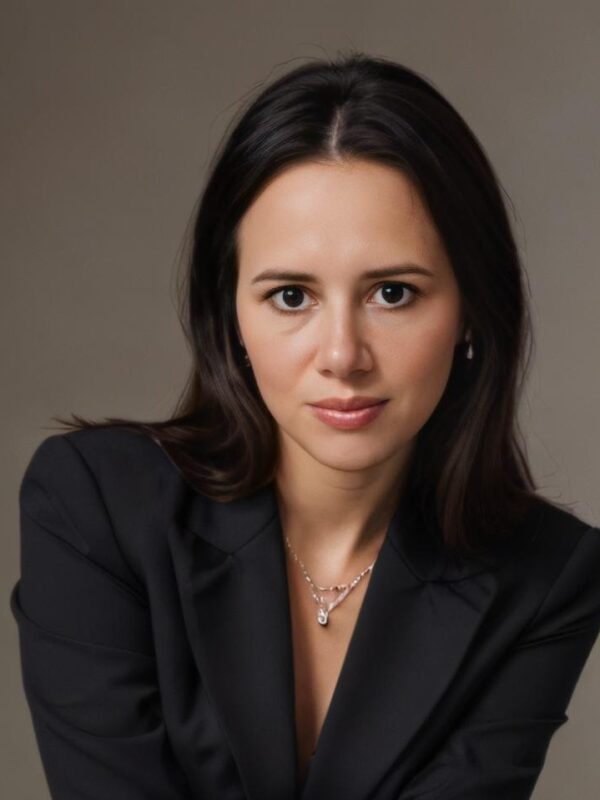
Agata
Kozicka
I’ve been working in the IT industry since 2013, building my career around leadership, delivery, and team development. For more than 10 years, I worked as a Project Manager, leading complex initiatives for clients from different parts of the world and navigating diverse cultural and business contexts.
Today, I serve as an Engineering Manager with a strong focus on people and delivery. I support engineers in their professional growth, help teams reach their full potential, and ensure that projects are executed effectively and predictably.
In a global environment, cultural differences are not a barrier – provided we know how to understand and consciously leverage them.
During the workshop, participants will explore how culture influences communication styles, decision-making, trust-building, time management or giving feedback. They will become familiar with Erin Meyer’s 8 Cultural Dimensions model, a practical and proven framework that helps navigate international projects and collaborate more effectively in diverse teams. A key element of the workshop is hands-on practice. Participants will apply the model through interactive exercises, business simulations, and group collaboration, working on real-life challenges drawn from international teamwork. They will also learn how to use an online tool that supports the creation of cultural maps, enabling them to visualize cultural differences and similarities within their own teams. Throughout the workshop, participants will create and analyze cultural maps of their teams and develop practical strategies and actions that genuinely increase collaboration effectiveness across cultural and business boundaries.
Event language: polish
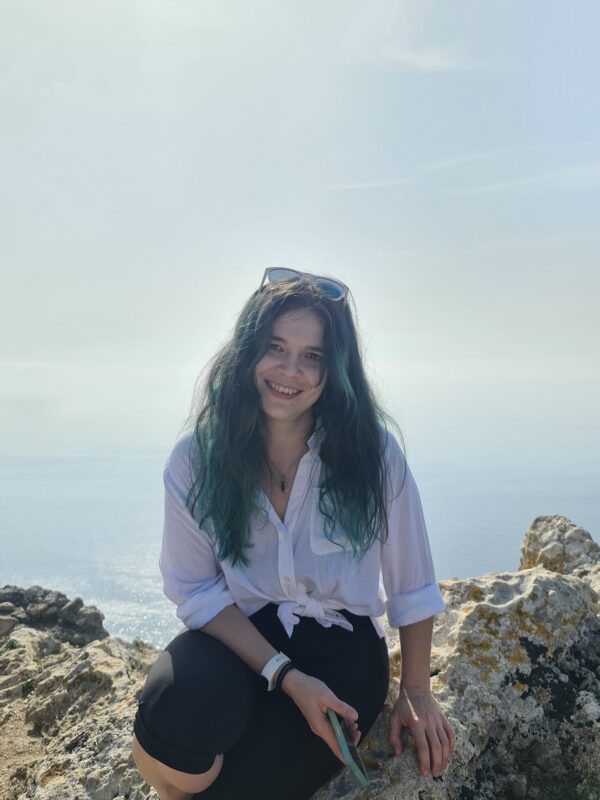
Aleksandra
Nowak
I’m Ola—Manager, Agile Delivery Services at Pegasystems.
With over 10 years of experience in IT, I’m passionate about helping teams work better together and driving agility at scale — in ways that are practical, human, and engaging. With a strong background in Scrum and Agile practices, I enjoy creating spaces for meaningful conversations and networking that spark new ideas and fresh perspectives.
I’ve worked with teams navigating complex challenges and transformations, always keeping people at the centre of change. Whether I’m facilitating workshops, supporting teams, or breaking down tricky Agile concepts, my goal is to make complex topics clear, engaging, and applicable in the real world.
I stay connected to market trends by attending conferences, meetups, and workshops, reading business books and articles, and exchanging insights with peers across different organisations. This helps me bring diverse viewpoints, real-world strategies, and a healthy dose of curiosity to every discussion.
Agile roles are shifting, and many Scrum Masters are starting to feel it. More and more organizations expect support beyond a single team — things like coordinating delivery across teams, working with stakeholders, and influencing outcomes at a broader level. But why is this happening? Is it business demand, pressure from leadership, or simply a change in job titles?
In this session, we invite Agile Swarming participants into an interactive discussion about how organizational needs are reshaping the Scrum Master role in practice. Together, we will explore what people are really experiencing in their companies and in the wider market — what stays aligned with the Scrum Master accountability, what is evolving into other roles, and where tensions start to appear.
As a context setting we will share our experience from Pegasystems, where Scrum Masters transitioned into Agile Delivery Leads as part of a broader organizational shift.
By the end of the session, participants will have a clearer picture of how the Scrum Master role looks today, what forces are shaping it, and what this means for their own role and career path — with practical insights they can take back to their teams and organizations.
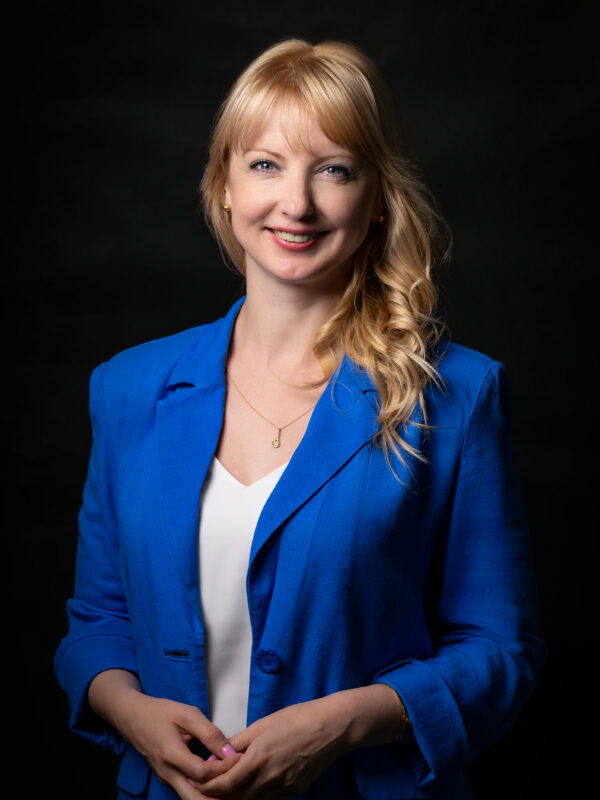
Olena
Pashnina
I’m an Agile Delivery Coach with a background as a Scrum Master and over a decade of experience helping teams improve the way they collaborate and deliver outcomes. At Pegasystems, I support product teams in navigating above team challenges, building delivery flow, and strengthening communication. I also co-organize the Liberating Structures meetups in Kraków, where I enjoy experimenting with facilitation methods that help people think, learn, and work better together. We’ll bring some Liberating Structures into our Discussion Group to make the conversation engaging, reflective, and inclusive — ensuring every voice in the room is heard.
Agile roles are shifting, and many Scrum Masters are starting to feel it. More and more organizations expect support beyond a single team — things like coordinating delivery across teams, working with stakeholders, and influencing outcomes at a broader level. But why is this happening? Is it business demand, pressure from leadership, or simply a change in job titles?
In this session, we invite Agile Swarming participants into an interactive discussion about how organizational needs are reshaping the Scrum Master role in practice. Together, we will explore what people are really experiencing in their companies and in the wider market — what stays aligned with the Scrum Master accountability, what is evolving into other roles, and where tensions start to appear.
As a context setting we will share our experience from Pegasystems, where Scrum Masters transitioned into Agile Delivery Leads as part of a broader organizational shift.
By the end of the session, participants will have a clearer picture of how the Scrum Master role looks today, what forces are shaping it, and what this means for their own role and career path — with practical insights they can take back to their teams and organizations.
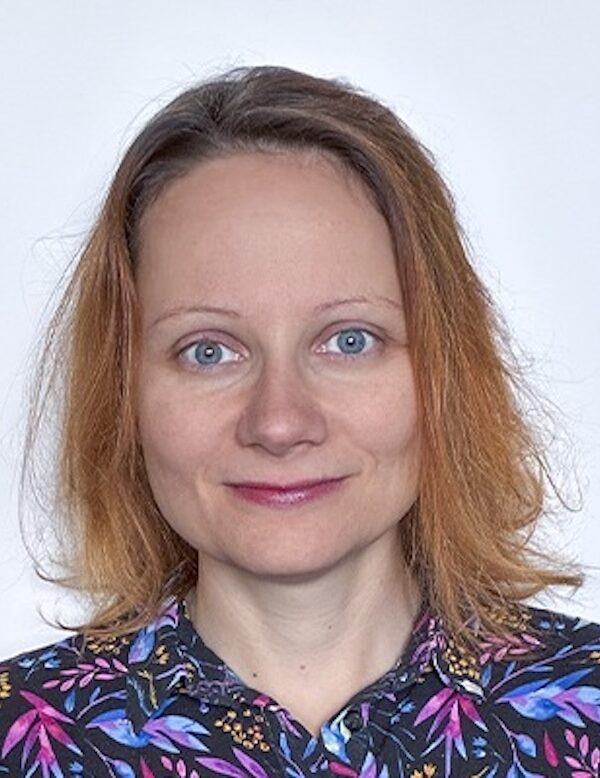
Małgorzata
Pytel
Inquisitive Learning Experience Designer with a focus on UX Research and Design Thinking. Throughout her career, she has gained a deep commitment to human-centered learning, neuroscience, and user-informed design. A firm believer in the power of creativity, she bridges the gap between scientific principles and engaging educational experiences. Personally: An avid traveler, reader, and lifelong learner of “many-a-topic.”
Connecting with coworkers, managers, customers, users, and learners – or just with each other – is the heartbeat of any project. We simply can’t move forward without gathering insights from others – no matter who they are. In this workshop, we’ll decode a method typically reserved for researchers but accessible to everyone: In-Depth Interviews (IDIs).
What you’ll learn:
– How to craft a clear, actionable goal for your interviews.
– How to build a universal scenario adaptable to almost any conversation.
– Identifying different question types and knowing exactly when to use them.
– Techniques for writing great questions and facilitating natural, insightful dialogue.
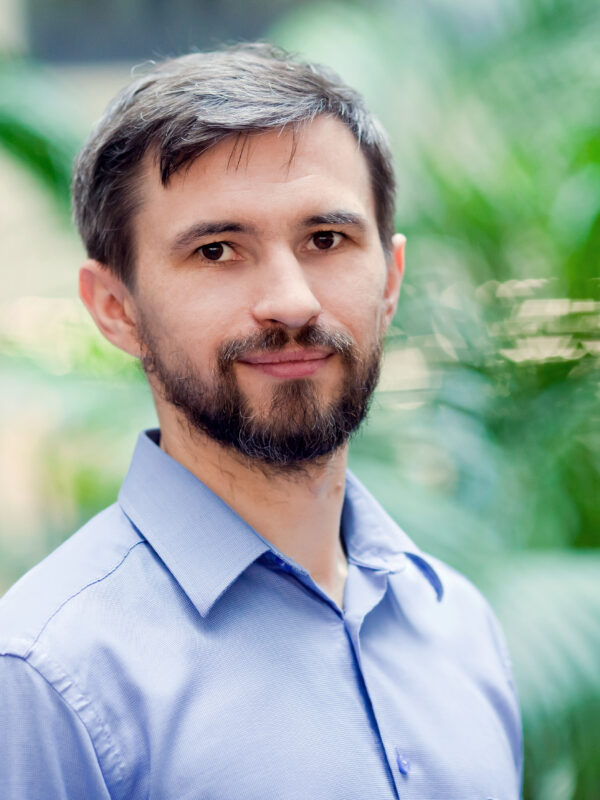
Tomasz
Serafin
Bio
I am an experienced software developer and servant-leader of a Scrum team, with extensive expertise in various roles related to software development and project management. I began my career as a developer and, over the years, expanded my skill set by taking on roles such as analyst, project manager, product manager, team leader, and Agile Coach. Currently, as a lead developer, I focus on delivering value through modern technologies and Agile practices.
I am passionate about deepening understanding and simplifying complexity, and one of my hobbies is designing and conducting workshops that help others gain a better grasp of both the technical aspects of programming and Agile ways of working. With my broad experience and hands-on approach, I seamlessly bridge these two worlds, making complex concepts more accessible.
Abstract
In a world full of frameworks, tools, and processes, we often forget the most fundamental skill that makes all of them work – clear communication and meaningful feedback. Teams rarely get stuck because they chose the wrong process. They get stuck when communication becomes unclear, feedback is avoided or softened, and people stop truly understanding each other. What looks like a process problem is often a communication problem in disguise.
This workshop is built around direct experience and real interaction. Most of the time is spent in practical exercises that allow participants to observe communication patterns and misunderstandings as they naturally emerge, while deliberately practising giving and receiving feedback in concrete situations. Rather than discussing communication in abstract terms, the workshop creates space to slow down and notice what usually happens unnoticed: how messages are sent and received, how assumptions form, and how feedback changes the direction of collaboration. Short theoretical inputs are used only to help name and make sense of these observations.
Key takeaways:
– clearer awareness of personal communication habits and their impact on others
– practical experience in giving and receiving feedback that supports progress
– real-time experience of one or more barriers to team learning
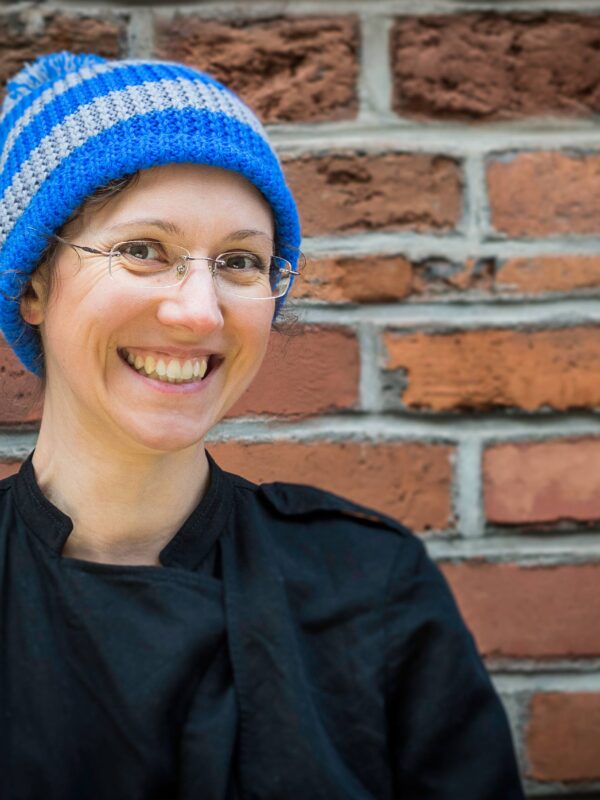
Jadwiga
Sitnicka
A trainer, scrum master, and technical communication professional with 10+ years of experience in project coordination. An enthusiast of Design Thinking. Graduated in human-computer interactions, but most interested in relations between humans. This interest defines her focus: user first! Currently she’s juggling her freelancing career and motherhood. LinkedIn: https://www.linkedin.com/in/jadwiga-sitnicka
Connecting with coworkers, managers, customers, users, and learners – or just with each other – is the heartbeat of any project. We simply can’t move forward without gathering insights from others – no matter who they are. In this workshop, we’ll decode a method typically reserved for researchers but accessible to everyone: In-Depth Interviews (IDIs).
What you’ll learn:
– How to craft a clear, actionable goal for your interviews.
– How to build a universal scenario adaptable to almost any conversation.
– Identifying different question types and knowing exactly when to use them.
– Techniques for writing great questions and facilitating natural, insightful dialogue.

Małgorzata
Smoleńska
I’m an Agile Coach with over 13 years of experience in IT, currently supporting a cross-company program and working closely with senior leaders. I focus on enabling data-driven decisions and helping teams build transparency and accountability to improve predictability. My work centers on making progress visible so teams and leaders can make informed decisions together.
How data and experiments help you change decisions
You see the problem. You suggest a solution. And then… nothing happens.
Many people are expected to improve how work gets done, even though they don’t make the final decisions. They spot issues early, propose changes and then get stuck in discussions that go nowhere.
This hands-on workshop is about creating real influence without formal authority. Instead of convincing, pushing, or escalating, you’ll learn how to let data, small experiments, and clear stories speak for you and help decisions move forward.
Working with real situations, we will practice how to:
– turn observations into decision-ready insights,
– design small experiments that show results, not promises,
– talk with managers about impact, risk, and trade-offs,
– tell a simple story that makes change easier to say “yes” to.
You will leave with a clear approach to influencing decisions, one experiment you can run immediately, and a practical way to talk about results that actually matter.
If you’re one of the people who want to create change but don’t have formal authority this workshop is for you.

Dorota
Sternalska-Wolska
I’ve spent over 13 years working as an Agile Coach in complex organizations, working closely with teams and leaders on how decisions are made and how change actually happens. I use data to bring clarity to difficult situations and support conversations between people with different perspectives. I’m particularly interested in how data can enable faster decisions and help teams and leaders focus on real improvements instead of assumptions.
How data and experiments help you change decisions
You see the problem. You suggest a solution. And then… nothing happens.
Many people are expected to improve how work gets done, even though they don’t make the final decisions. They spot issues early, propose changes and then get stuck in discussions that go nowhere.
This hands-on workshop is about creating real influence without formal authority. Instead of convincing, pushing, or escalating, you’ll learn how to let data, small experiments, and clear stories speak for you and help decisions move forward.
Working with real situations, we will practice how to:
– turn observations into decision-ready insights,
– design small experiments that show results, not promises,
– talk with managers about impact, risk, and trade-offs,
– tell a simple story that makes change easier to say “yes” to.
You will leave with a clear approach to influencing decisions, one experiment you can run immediately, and a practical way to talk about results that actually matter.
If you’re one of the people who want to create change but don’t have formal authority this workshop is for you.
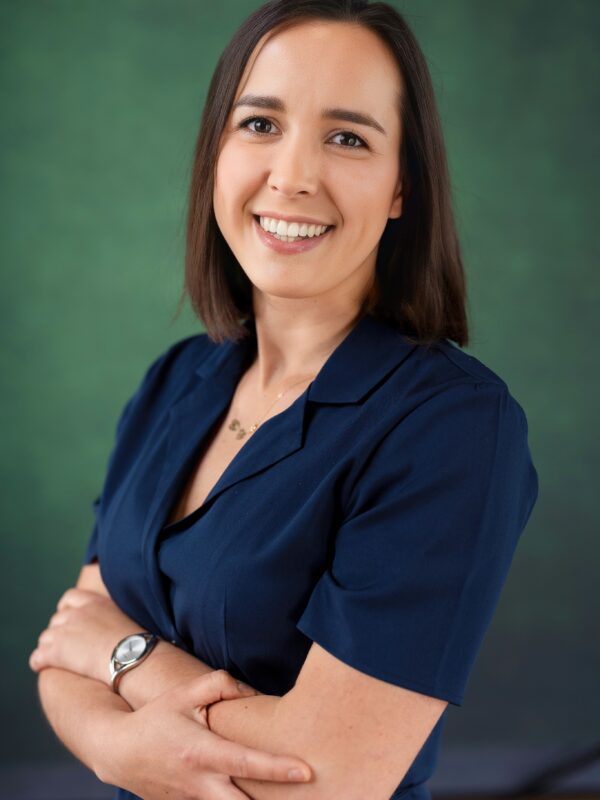
Eliza
Willim
Eliza Willim with over six years of experience as a Scrum Master and Agile specialist, she is now focused on leading digital transformation and applying Agile methods in HEINEKEN. She supports Agile practices to improve teams’ delivery, team effectiveness, and strengthen collaboration beyond culture boundaries. Her approach is to create a collaborative environment that empowers teams and values transparency and self-management. She likes to use data, but with common sense. Work smart not hard is her motto.
Back to Simplicity – Solving complex problems on foot
We live in the world full of noise.
AI everywhere. Endless tools. Constant choices.
Meetings without creativity. Frameworks about innovation.
We are expected to be unique and creative – all the time. Yet many of us feels overwhelmed.
Messy heads. Messy backlogs. Messy organizations.
This workshop is an invitation to pause…………
No one has their best ideas after eight hours at the desk with JIRA, Excel or another tool. Insight actually shows up somewhere else – in the garden, while running … or simply walking.
Inspired by StreetWisdom, the guided walking practice, we step away from screens and routines and let the street become our thinking partner.
Bring a real question. Wear comfortable shoes. We’ll walk, observe and reflect using simple techniques that help you cut through the noise, reset your thinking, and return with a clear insight – maybe even a surprisingly simple solution to a complex problem.
No slides. No frameworks. No tools.
Just you, the street and space to slow down and think.
Come walk with us. Rediscover how simplicity fuels creativity.
*workshop will be held in Polish & English
Urszula
Bakalarska
Jakub
Dobosz
Katarzyna
Jakubowska
Anna
Jassak
Ewa
Koprowska
Karolina
Kordyś
Agata
Kozicka
Aleksandra
Nowak
Olena
Pashnina
Małgorzata
Pytel
Tomasz
Serafin
Jadwiga
Sitnicka
Małgorzata
Smoleńska
Dorota
Sternalska-Wolska
Eliza
Willim


If you have any question or concerns, please feel free to Contact Us